
By: Dr.Shirapa Bajracharya
Senior Consultant Dermatologist
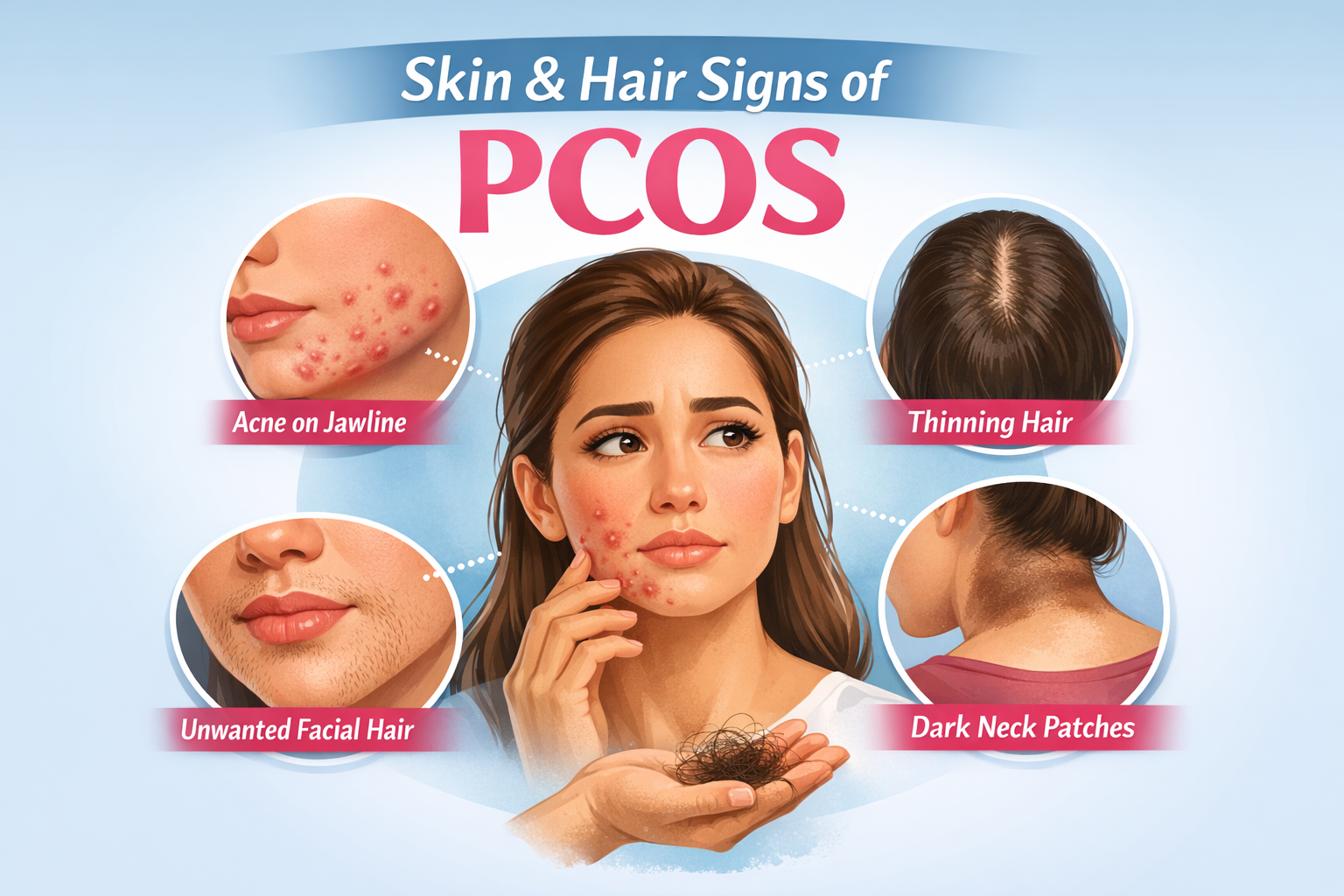
Polycystic Ovary Syndrome (PCOS) is a common hormonal condition seen in women. While it mainly affects periods and fertility, many of the earliest and most noticeable signs appear on the skin and hair. As dermatologists, we often see women who come for skin problems and later discover they have PCOS.
The good news is: these skin changes are manageable with the right care and guidance.
Why Does PCOS Affect the Skin?
In PCOS, the body produces higher levels of certain hormones called androgens. Many women also have insulin resistance. These internal changes directly influence the skin, hair follicles, and sebaceous glands, leading to persistent skin issues.
Common Skin and Hair Problems in PCOS
1. Acne
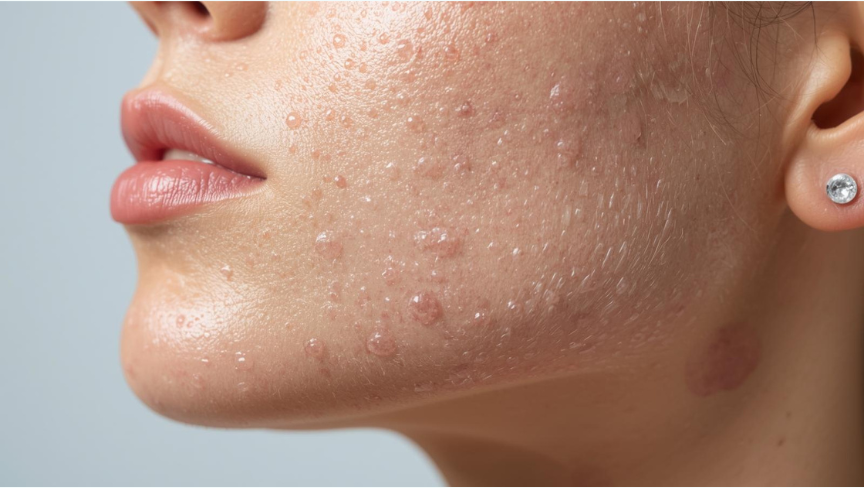
PCOS-related acne:
- Often appears on the jawline, chin, and neck
- May continue into adulthood
- Does not always improve with regular creams or face washes
This acne is hormonal and usually needs medical treatment.
2. Excess Facial or Body Hair (Hirsutism)
Unwanted thick hair may grow on:
- Upper lip and chin
- Chest and abdomen
- Inner thigh
This happens due to increased male-type hormones and can be distressing, but effective treatments are available.
3. Hair Thinning or Hair Fall
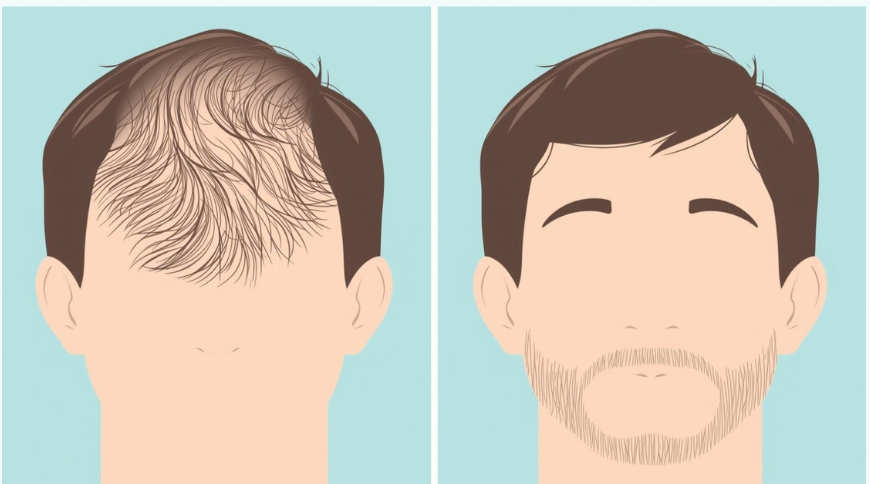
Some women notice:
- Thinning of hair on the scalp
- Widening of the hair part
Early treatment can help slow hair loss and improve hair health.
4. Dark Patches on the Skin
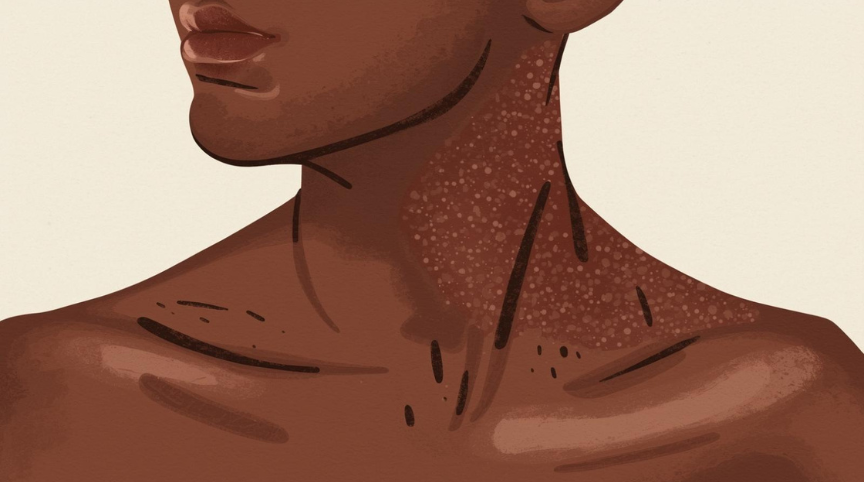
Dark, velvety skin may appear on the:
- Neck
- Underarms
- Groin
This is called acanthosis nigricans and can be a sign of insulin resistance.
5. Oily Skin
Increased oiliness of the face and scalp is common and may lead to acne.
How Can a Dermatologist Help?
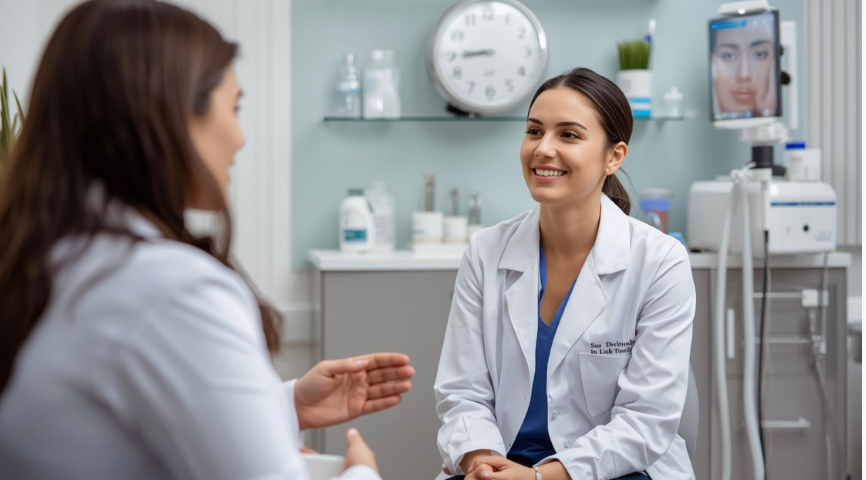
A dermatologist can:
- Identify skin signs that suggest PCOS
- Treat acne, hair problems, and pigmentation
- Guide you on medical treatments and procedures
Treatment may include:
- Medications to control hormonal acne
- Treatments for hair fall
- Laser hair reduction for unwanted hair
- Skin procedures for pigmentation
Why Overall Care Is Important
Skin treatments work best when PCOS is managed as a whole. Along with dermatologic care, you may need:
- Hormonal evaluation by a gynecologist & endocrinologist
- Healthy eating and regular exercise
- Weight management, if advised
Small lifestyle changes can greatly improve both PCOS and skin problems.
You Are Not Alone
Skin and hair changes can affect confidence and emotional well-being. Remember:
- PCOS is common
- Your skin concerns are valid
- Help is available
With the right treatment and patience, healthy skin and hair are achievable.
Take-Home Message
Your skin often reflects what is happening inside your body. Paying attention to skin changes can lead to early diagnosis and better control of PCOS.
If you notice persistent acne, hair changes, or dark patches, consult a dermatologist early.